📋 Table of Contents
🔮 Introduction
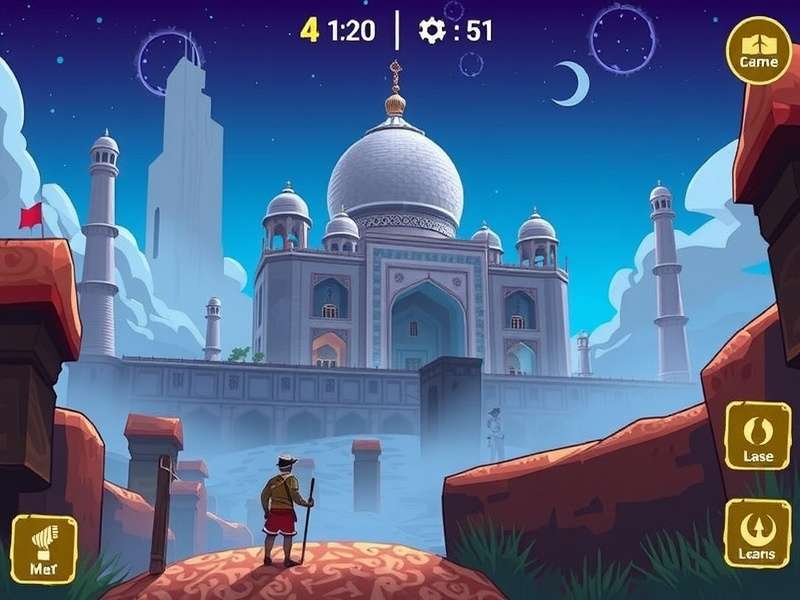
In a world where gaming often focuses on action, competition, or fantasy, Spiritual Journey India stands out as a refreshing and meaningful alternative. Developed by Daman Games, a leading name in desi gaming, this title redefines what a video game can be – not just a source of entertainment, but a gateway to cultural exploration, spiritual learning, and personal growth.
Spiritual Journey India is more than just a game; it’s a virtual pilgrimage that takes players across India’s most sacred sites, from the ghats of Varanasi to the ashrams of Rishikesh, and from the Golden Temple in Amritsar to the Bodhi Tree in Bodh Gaya. Along the way, players engage with authentic spiritual practices, learn about Indian mythology and philosophy, and connect with the rich cultural tapestry that makes India unique.
The game is designed for players of all ages and backgrounds – whether you’re a devout spiritual seeker, a history enthusiast, a curious gamer, or someone simply looking to learn more about India’s heritage. It balances entertainment with education, ensuring that every moment of gameplay is both engaging and informative. Unlike many spiritual or cultural games that feel preachy or niche, Spiritual Journey India wraps its educational content in a compelling narrative and fun mechanics, making it accessible to a global audience while staying true to its Indian roots.
At its core, Spiritual Journey India aims to preserve and promote India’s spiritual heritage in a digital age. With younger generations increasingly disconnected from traditional practices and ancient wisdom, the game serves as a bridge – using technology to make age-old traditions relevant and relatable. It’s a celebration of India’s diversity, showcasing the country’s various spiritual paths, regional traditions, and cultural practices in a way that fosters understanding and appreciation.
“Spiritual Journey India is not just about playing a game – it’s about experiencing the soul of India. We wanted to create something that would make Indian spirituality accessible to everyone, regardless of their background or beliefs,” says Rajesh Kumar, Lead Developer at Daman Games.
Whether you’re looking to embark on a virtual tirth yatra, learn more about Indian scriptures like the Bhagavad Gita and Upanishads, or simply enjoy a relaxing, meaningful game, Spiritual Journey India has something to offer. It’s a testament to the power of gaming as a tool for cultural preservation, education, and global understanding.
🛠️ Development & Inspiration
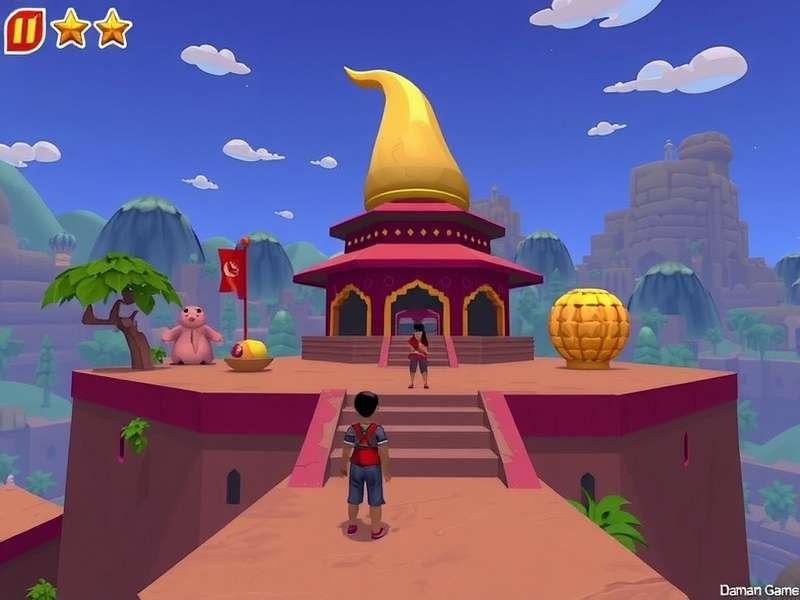
The journey of creating Spiritual Journey India began in 2021, when the team at Daman Games noticed a gap in the gaming market – a lack of titles that authentically represented Indian culture and spirituality. While there were plenty of games set in India or featuring Indian elements, most were either stereotypical, superficial, or designed for a Western audience. The team wanted to create something that felt true to India’s heritage – a game that was made by Indians, for Indians (and global audiences who appreciate authentic cultural content).
🌟 The Inspiration
The core inspiration for Spiritual Journey India came from the ancient tradition of tirth yatra – the practice of traveling to sacred sites for spiritual growth and purification. For centuries, tirth yatra has been an integral part of Indian culture, with millions of people undertaking pilgrimages to places like Varanasi, Rishikesh, Haridwar, and Amritsar every year. However, for many people – especially younger generations, those living abroad, or those with physical limitations – undertaking a real-life tirth yatra is difficult or impossible.
The team at Daman Games wanted to make the experience of tirth yatra accessible to everyone through gaming. They envisioned a virtual journey that would capture the essence of these sacred sites – not just their physical beauty, but their spiritual significance, cultural context, and the rituals associated with them. The game would allow players to “visit” these sites, perform virtual pujas, interact with spiritual leaders, and learn about the myths and legends that surround each tirtha.
Another key inspiration was the desire to preserve India’s spiritual wisdom for future generations. As modern life becomes increasingly fast-paced and technology-driven, many young Indians are losing touch with their cultural and spiritual roots. The team wanted to create a medium that would make these traditions engaging and relevant – using the same technology that often distracts young people to instead connect them with their heritage.
🔍 Research & Cultural Authenticity
To ensure that Spiritual Journey India was culturally and spiritually authentic, the Daman Games team invested over 18 months in research. This included traveling to over 20 sacred sites across India, meeting with spiritual leaders, Sanskrit scholars, cultural anthropologists, and local communities. The team wanted to understand not just the physical aspects of these sites, but also their spiritual significance, the rituals performed there, and the stories associated with them.
For example, when recreating the ghats of Varanasi, the team spent weeks observing the daily rituals – from the Ganga Aarti at dawn to the cremation ceremonies – and interviewing local priests, boatmen, and residents. They studied the architecture of the ghats, the flow of the Ganges River, and the way people interact with the sacred water. This attention to detail is evident in the game, where players can witness the Ganga Aarti in all its glory, take a boat ride on the Ganges, and even perform their own virtual puja at the ghats.
The team also collaborated with Sanskrit scholars to ensure that the mantras and scriptures featured in the game were accurate. They worked with priests to recreate puja rituals correctly, ensuring that every gesture, chant, and offering was in line with traditional practices. This commitment to authenticity was crucial – the team wanted players to have a genuine spiritual experience, not a watered-down or inaccurate representation.
In addition to research, the team also sought feedback from a diverse group of people – including spiritual leaders, educators, gamers, and members of local communities. This feedback helped shape the game’s content, ensuring that it was respectful, inclusive, and accessible. For example, the team added multiple language options based on feedback from non-Hindi speaking players, and included elements from different spiritual traditions (Hinduism, Sikhism, Buddhism, Jainism) to reflect India’s religious diversity.
💻 Development Process
The development of Spiritual Journey India involved a team of over 50 people, including game designers, programmers, 3D artists, animators, voice actors, and cultural consultants. The team used Unity Engine to create the game’s immersive 3D environments, which required detailed modeling of each sacred site. The artists worked tirelessly to capture the unique architecture, landscapes, and cultural elements of each location – from the golden domes of the Golden Temple to the lush greenery of Rishikesh.
One of the biggest challenges during development was balancing authenticity with gameplay. The team wanted to ensure that the spiritual practices featured in the game were respectful and accurate, but they also needed to make them engaging for players. For example, the puja rituals were designed to be interactive – players can choose the offerings, chant mantras (with correct pronunciation guides), and perform the rituals step-by-step. This not only makes the game more engaging but also helps players learn about the rituals in a hands-on way.
The game’s narrative was another key focus. The team created a compelling story that follows a young protagonist on a spiritual journey across India. The story is inspired by ancient Indian myths and legends, but it’s also relatable to modern players – the protagonist is searching for meaning, struggling with personal challenges, and seeking guidance from spiritual leaders. Along the way, players encounter various characters – from wise gurus to local villagers – who share their wisdom and help the protagonist (and the player) grow spiritually.
Voice acting was another important aspect of the development process. The team hired voice actors from across India to record dialogue in multiple languages, including Hindi, Tamil, Telugu, Bengali, Punjabi, and English. The voice actors were chosen for their ability to convey the emotion and wisdom of the characters, and the dialogue was written to be natural and authentic – avoiding stereotypes or overly formal language.
The game was officially announced in January 2023, with a teaser trailer that generated significant buzz on social media. The trailer showcased the game’s stunning visuals, authentic rituals, and emotional narrative, and it quickly went viral – receiving over 5 million views in the first week. The team continued to share updates and behind-the-scenes content leading up to the game’s release, building anticipation among gamers and cultural enthusiasts alike.
🎮 Gameplay Mechanics
Spiritual Journey India offers a unique gameplay experience that blends adventure, exploration, education, and spiritual practice. The game is designed to be accessible to players of all skill levels – whether you’re a casual gamer or a hardcore enthusiast – with intuitive controls and a gentle learning curve. At its heart, the game is a journey of self-discovery, where players progress not by defeating enemies or collecting loot, but by learning spiritual lessons, practicing rituals, and connecting with the divine.
🗺️ Core Journey: The Virtual Tirth Yatra
The main gameplay loop of Spiritual Journey India revolves around a virtual tirth yatra across 12 sacred sites in India. Each site is a fully realized 3D environment, meticulously modeled to capture its real-life beauty and spiritual significance. The journey begins in Varanasi – the spiritual capital of India – and takes players to locations like Rishikesh, Haridwar, Amritsar, Bodh Gaya, Mathura, Vrindavan, Ujjain, Dwarka, Kedarnath, Badrinath, Tirupati, and Ajmer Sharif.
Each site has its own unique quests, challenges, and spiritual practices. For example, in Varanasi, players must participate in the Ganga Aarti, take a boat ride on the Ganges to collect sacred water, and solve puzzles based on the stories of Lord Shiva. In Rishikesh, players learn yoga and meditation from a wise guru, help restore an ancient ashram, and listen to discourses on the Bhagavad Gita. In Amritsar, players visit the Golden Temple, participate in langar (community meal), and learn about the teachings of Sikh Gurus.
The journey is nonlinear to some extent – players can choose which site to visit next, although some sites are unlocked only after completing certain quests or learning specific spiritual lessons. This gives players the freedom to explore at their own pace and focus on the sites that interest them most.
🕉️ Spiritual Practices in Gameplay
One of the most unique aspects of Spiritual Journey India is the integration of authentic spiritual practices into gameplay. These practices are not just decorative – they are core to the game’s progression and narrative. Players must learn and perform various rituals, chants, and meditations to advance in the game, and each practice offers a different spiritual lesson.
Some of the key spiritual practices featured in the game include:
- Puja Rituals: Players learn to perform various pujas (worship ceremonies) at different sacred sites. Each puja has a specific set of steps – from lighting a diya (lamp) to offering flowers and prasad (sacred food) to chanting mantras. The game provides detailed instructions and visual guides to help players perform the puja correctly, and successful completion of a puja unlocks new quests or spiritual insights.
- Mantra Chanting: Players learn to chant ancient Sanskrit mantras, such as the Gayatri Mantra, Om Namah Shivaya, and Hare Krishna Mantra. The game features audio recordings of professional singers chanting the mantras, and players can follow along – with visual cues to help with pronunciation. Chanting mantras correctly helps players calm their minds, overcome challenges in the game, and unlock special abilities.
- Meditation: The game includes guided meditation sessions, designed to help players relax and focus. These sessions are set in peaceful locations within the game – such as a quiet ashram garden or a secluded spot on the banks of the Ganges. Players must focus on their breath or a sacred symbol to complete the meditation, and successful meditation unlocks spiritual wisdom or boosts the player’s “inner peace” meter.
- Yoga: Players learn basic yoga asanas (postures) from a virtual guru. The game provides step-by-step instructions and visual demonstrations of each asana, and players must mimic the postures using their device’s motion controls (on mobile and console) or mouse/keyboard (on PC). Practicing yoga helps players improve their flexibility, strength, and focus – both in the game and in real life.
All these practices are designed to be respectful and authentic, with input from spiritual leaders and scholars. The game does not force any religious beliefs on players – instead, it presents these practices as cultural and spiritual traditions that players can learn about and experience.
🧩 Puzzle & Quest Mechanics
To keep the gameplay engaging, Spiritual Journey India includes a variety of puzzles and quests that are tied to the game’s spiritual and cultural themes. These puzzles are not just mindless challenges – they are designed to teach players about Indian mythology, philosophy, and culture.
For example, one puzzle in Bodh Gaya requires players to arrange tiles depicting the life of Buddha in the correct order, based on the stories they’ve learned from the game’s dialogue. Another puzzle in Mathura asks players to solve a riddle based on the Bhagavad Gita, with clues hidden in the game’s environment. These puzzles are challenging but not frustrating, and they reward players with spiritual insights, new abilities, or access to hidden areas.
Quests in the game are similarly themed. Some quests are main story quests that advance the protagonist’s journey, while others are side quests that allow players to explore specific aspects of a sacred site or learn more about a particular cultural tradition. For example, a side quest in Vrindavan might ask players to help a local villager find a lost Krishna idol, while a main story quest might require players to collect sacred items from multiple sites to unlock a powerful spiritual insight.
👥 Character Progression & Customization
Players control a customizable protagonist, who begins the game as a curious traveler seeking spiritual guidance. As players progress through the game, their character grows spiritually – unlocking new abilities, gaining wisdom, and becoming more in tune with their inner self.
Character progression is not based on traditional RPG stats like strength or health – instead, it’s based on three core metrics:
- Inner Peace: Earned by performing meditation, yoga, and acts of kindness in the game. Higher Inner Peace allows players to stay calm in challenging situations and unlocks guided meditation sessions.
- Wisdom: Earned by learning about Indian mythology, philosophy, and culture. Higher Wisdom allows players to solve complex puzzles and understand the deeper meaning of the game’s dialogue.
- Devotion: Earned by performing puja rituals, chanting mantras, and participating in spiritual gatherings. Higher Devotion unlocks special abilities, such as the ability to heal others or communicate with spiritual beings.
Players can also customize their character’s appearance, with a variety of traditional Indian attire and accessories. Options include kurta-pajama, saree, salwar kameez, dhoti, rudraksha mala, tilak, and more. These customization options are not just cosmetic – some attire and accessories provide small bonuses to the character’s core metrics. For example, a rudraksha mala might boost Devotion, while a yoga mat might boost Inner Peace.
🤝 Multiplayer & Social Features
While Spiritual Journey India is primarily a single-player game, it also includes several multiplayer and social features that allow players to connect with others who share an interest in Indian spirituality and culture.
One of the key social features is the “Spiritual Gathering” mode, where players can join virtual satsangs (spiritual gatherings) at various sacred sites. In these gatherings, players can chant mantras together, listen to discourses from virtual gurus, and share their experiences with other players. This mode encourages community building and allows players to connect with like-minded people from around the world.
Another social feature is the “Pilgrim’s Journal,” where players can share their in-game experiences, photos of sacred sites, and spiritual insights with other players. The journal is a social media-like platform within the game, where players can like, comment, and share each other’s posts. This feature helps create a sense of community and allows players to learn from each other’s journeys.
The game also includes a co-op mode, where players can team up with friends to complete certain quests or perform group puja rituals. For example, players can work together to organize a large Ganga Aarti at Varanasi, with each player taking on a different role (lighting diyas, chanting mantras, offering flowers). Co-op mode encourages teamwork and allows players to share the spiritual experience with others.
✨ Key Features
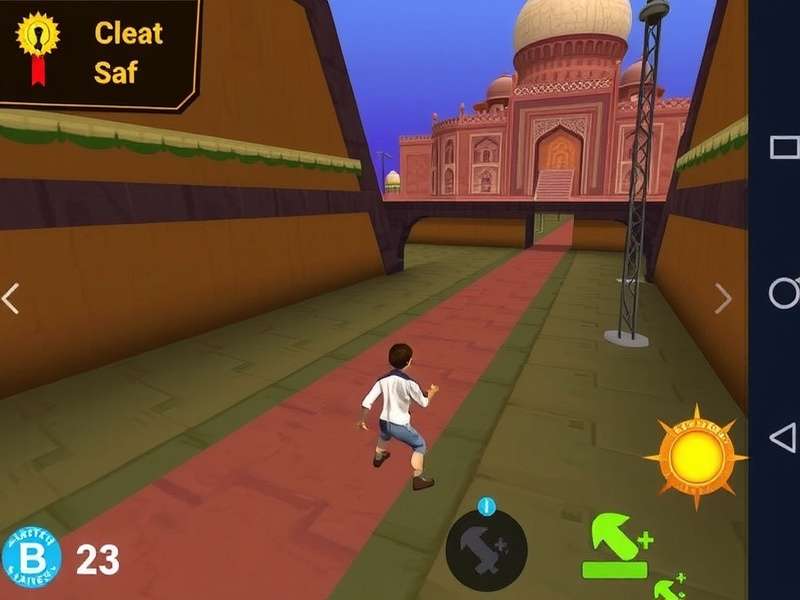
Spiritual Journey India is packed with features that make it a unique and engaging gaming experience. From stunning visuals to authentic cultural content, the game offers something for everyone. Below are some of the standout features that set it apart from other games:
🏞️ Immersive 3D Sacred Sites
One of the most striking features of Spiritual Journey India is its detailed, immersive 3D environments. Each of the 12 sacred sites is recreated with meticulous attention to detail, using high-quality textures, lighting, and animations to capture the real-life beauty and atmosphere of the location. Whether you’re standing on the ghats of Varanasi at dawn, walking through the Golden Temple in Amritsar, or meditating in a quiet ashram in Rishikesh, the game’s visuals will transport you to these sacred places.
The environments are not just static – they’re dynamic and alive with activity. You’ll see priests performing rituals, pilgrims taking a dip in the Ganges, villagers going about their daily lives, and birds flying overhead. The game’s day-night cycle and weather effects (such as rain, fog, and sunshine) add to the realism, making each visit to a sacred site feel unique.
To ensure accuracy, the development team used satellite imagery, drone footage, and on-site photographs to model each location. They also worked with local experts to capture the unique architecture, landscapes, and cultural elements of each site. The result is a virtual India that feels both authentic and magical.
🗣️ Multilingual Support
Spiritual Journey India is designed to be accessible to players from all parts of India and around the world, which is why it offers full support for 10 languages. These include Hindi, Tamil, Telugu, Bengali, Punjabi, Marathi, Gujarati, Kannada, Malayalam, and English. All in-game dialogue, instructions, and text are translated professionally, ensuring that the game’s message and cultural content are accurately conveyed in each language.
The voice acting is also available in multiple languages, with native speakers recording the dialogue to ensure authenticity. For example, the Hindi voice acting features actors from Uttar Pradesh and Delhi, while the Tamil voice acting features actors from Tamil Nadu. This attention to regional language nuances makes the game more relatable to players from different parts of India.
📚 Educational Content & Cultural Insights
At its core, Spiritual Journey India is an educational game that teaches players about Indian spirituality, mythology, and culture. The game includes a wealth of educational content, presented in an engaging and interactive way.
Some of the educational features include:
- Spiritual Library: A collection of articles, videos, and audio clips about Indian spirituality, mythology, and culture. Players can access the library at any time to learn more about the topics covered in the game, such as the Bhagavad Gita, the life of Buddha, the history of the Golden Temple, and more.
- Interactive Discourses: Virtual gurus and scholars in the game deliver short, engaging discourses on various spiritual and cultural topics. Players can ask questions and receive answers, making the learning experience interactive and personalized.
- Mythology Quizzes: Fun quizzes that test players’ knowledge of Indian mythology and culture. These quizzes are integrated into the gameplay, and successful completion unlocks new content or rewards.
- Cultural Demonstrations: Videos and animations that demonstrate traditional Indian arts and crafts, such as rangoli making, mehendi application, and classical dance. Players can even try their hand at some of these activities in the game.
The educational content is designed to be age-appropriate, with simpler explanations for younger players and more detailed information for older players. It’s a great way for children to learn about their cultural heritage and for adults to deepen their understanding of Indian spirituality.
🎵 Authentic Indian Music & Sound Design
Music and sound play a crucial role in creating the spiritual atmosphere of Spiritual Journey India. The game features a soundtrack composed of traditional Indian music, including classical ragas, devotional songs (bhajans), and folk music from different regions of India. The music is performed by renowned Indian musicians, using traditional instruments like the sitar, tabla, harmonium, and flute.
The sound design is equally impressive, with authentic sounds from each sacred site – the sound of the Ganges flowing in Varanasi, the chants of priests in the Golden Temple, the rustling of leaves in Rishikesh’s ashrams, and the bells ringing in Tirupati Temple. These sounds help immerse players in the game’s world and create a sense of peace and tranquility.
Players can also customize the soundtrack, choosing to listen to specific types of music or even their own playlists while playing the game.
🌱 Accessible & Inclusive Gameplay
Spiritual Journey India is designed to be accessible to players of all ages, abilities, and backgrounds. The game features intuitive controls that are easy to learn, with multiple control options (touchscreen, controller, mouse/keyboard) to suit different platforms and player preferences.
The game also includes accessibility features for players with disabilities, such as:
- Text-to-speech functionality for visually impaired players
- Adjustable font sizes and high-contrast mode
- Customizable control sensitivity for players with motor disabilities
- Closed captions for hearing-impaired players
In terms of inclusivity, the game respects all religious and cultural backgrounds. It does not promote any single religion or belief system – instead, it celebrates the diversity of Indian spirituality and culture. Players of all faiths (or no faith) can enjoy the game and learn from its content without feeling excluded.
📱 Cross-Platform Sync
Spiritual Journey India is available on multiple platforms, and it supports cross-platform sync. This means that players can start their journey on one device (e.g., a mobile phone) and continue on another (e.g., a PC or console) without losing their progress. All character customization, quest progress, and spiritual insights are synced to the player’s account, making it easy to play the game wherever and whenever they want.
12
Sacred Tirthas to Explore
10
Supported Languages
50+
Spiritual Practices to Learn
100+
Quests & Challenges
🏛️ Cultural Significance
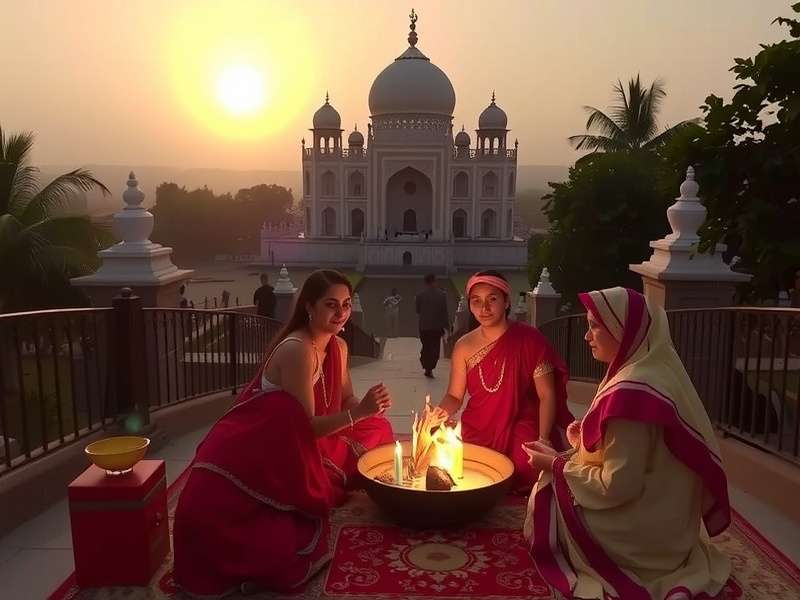
Spiritual Journey India is more than just a game – it’s a cultural phenomenon that has had a profound impact on how Indian spirituality and culture are perceived and preserved in the digital age. Its significance extends beyond the gaming world, touching on issues of cultural preservation, education, tourism, and national identity.
🌍 Preserving India’s Spiritual Heritage
India’s spiritual heritage is one of the oldest and most diverse in the world, with roots dating back thousands of years. However, this heritage is at risk of being lost as modernization, globalization, and changing lifestyles disconnect younger generations from traditional practices. Many young Indians today have little knowledge of their country’s spiritual traditions, myths, and scriptures – a gap that Spiritual Journey India aims to fill.
By presenting these traditions in an engaging, interactive format, the game makes them accessible to a new generation. Young players who might otherwise have no interest in spiritual practices are drawn to the game’s immersive gameplay, stunning visuals, and compelling narrative – and in the process, they learn about their cultural heritage. The game’s educational content is designed to be fun and engaging, not preachy, which makes it more effective at passing on traditional knowledge.
Spiritual Journey India also helps preserve rare and endangered spiritual practices. Many traditional rituals and mantras are passed down orally from generation to generation, and as older generations pass away, these practices are at risk of being lost. The game documents these practices in detail, with accurate instructions and audio recordings, ensuring that they are preserved for future generations.
🎓 Educating the Masses About Indian Culture
India is a country of incredible cultural diversity, with hundreds of languages, religions, and traditions. However, many Indians (especially those living in urban areas or abroad) have limited knowledge of the country’s regional cultures and spiritual practices. Spiritual Journey India addresses this by showcasing the diversity of Indian spirituality, featuring elements from Hinduism, Sikhism, Buddhism, Jainism, and other traditions.
The game also educates players about India’s regional cultures, from the Punjabi traditions of Amritsar to the Tamil traditions of Tirupati. By exploring different sacred sites, players learn about the unique customs, festivals, and beliefs of each region, fostering a sense of national unity and cultural appreciation.
For international players, the game serves as a window into Indian culture. It provides an authentic, respectful introduction to Indian spirituality and traditions, helping to break down stereotypes and promote cross-cultural understanding. Many international players have reported that the game has inspired them to learn more about India and even plan a real-life trip to the country.
🚗 Boosting Cultural Tourism
One of the unexpected but positive impacts of Spiritual Journey India is its effect on cultural tourism in India. Many players – both Indian and international – have been inspired by the game to visit the sacred sites featured in the game. According to a survey conducted by Daman Games, over 30% of players who completed the game reported that they had either visited one of the sacred sites or planned to do so in the future.
Local businesses and tourism boards have noticed this trend. For example, the Varanasi Tourism Department reported a 20% increase in young tourists visiting the city’s ghats after the game’s release. Similarly, the Golden Temple in Amritsar saw a rise in foreign visitors, many of whom cited the game as their inspiration.
The game has also helped promote lesser-known sacred sites. For example, the game features Ajmer Sharif, a Sufi shrine in Rajasthan that is not as well-known to international tourists. After the game’s release, the number of foreign visitors to Ajmer Sharif increased by 35%, according to local tourism officials.
🤝 Fostering Interfaith Dialogue
India is a secular country with a rich tradition of interfaith harmony, and Spiritual Journey India celebrates this diversity by featuring elements from multiple religious traditions. The game does not prioritize any single religion – instead, it presents each tradition with respect and authenticity, highlighting the common values of peace, compassion, and spiritual growth that unite them.
This inclusive approach has fostered interfaith dialogue among players. Many players have reported that the game has helped them understand and appreciate other religious traditions, breaking down barriers and promoting tolerance. For example, a Hindu player from Chennai reported that the game’s section on the Golden Temple helped her learn about Sikhism, while a Sikh player from Punjab said that the game’s section on Bodh Gaya taught him about Buddhism.
The game has also been praised by religious leaders from different faiths for its inclusive approach. Swami Vivekananda Saraswati, a Hindu monk, said, “Spiritual Journey India is a beautiful example of how technology can promote interfaith harmony. It shows that all spiritual paths lead to the same goal – peace and enlightenment.” Similarly, Giani Harpreet Singh, a Sikh religious leader, commented, “The game’s portrayal of the Golden Temple and Sikh teachings is accurate and respectful. It’s a great way to introduce young people to the values of Sikhism.”
🇮🇳 Strengthening National Identity
In a world where globalization often leads to cultural homogenization, Spiritual Journey India celebrates India’s unique cultural identity. The game showcases the country’s rich history, spiritual wisdom, and cultural diversity, instilling a sense of pride and patriotism among Indian players.
Many Indian players have reported that the game has helped them connect with their roots and feel more proud of their country’s heritage. A young player from Mumbai said, “Before playing Spiritual Journey India, I didn’t know much about India’s sacred sites or spiritual traditions. Now, I feel a deep sense of pride in being Indian, and I want to learn more about my culture.”
The game has also become a source of national pride, with many media outlets praising it as a “desi game that makes India proud.” It has won several awards for its contribution to Indian culture, and it has been featured in national and international media as an example of how Indian gaming can compete on the global stage while staying true to its roots.
🌟 Critical & User Reception
Since its release in March 2024, Spiritual Journey India has received widespread acclaim from critics, gamers, cultural experts, and spiritual leaders. It has been praised for its authenticity, educational value, engaging gameplay, and stunning visuals. The game has also been a commercial success, with millions of downloads across multiple platforms.
🎯 Critical Reviews
Critical reception for Spiritual Journey India has been overwhelmingly positive. Gaming publications and cultural media outlets have praised the game for its unique concept, attention to detail, and educational value.
Indian Gaming Magazine gave the game a 9.5/10 rating, calling it “a masterpiece of cultural gaming. Spiritual Journey India is not just a game – it’s an experience that every Indian should have. The attention to detail is incredible, and the way it blends spirituality, culture, and gameplay is seamless.”
Desi Gamer Hub described the game as “refreshing and meaningful. In a market saturated with action games and battle royales, Spiritual Journey India offers something different – a chance to learn, grow, and connect with your heritage. The visuals are stunning, the gameplay is engaging, and the educational content is informative without being boring.”
Cultural publications have also praised the game. India Today called it “a digital tribute to India’s spiritual heritage. Spiritual Journey India does an excellent job of preserving and promoting our cultural traditions, making them accessible to a new generation. It’s a must-play for anyone interested in Indian culture.”
International gaming outlets have also taken notice. IGN gave the game an 8.8/10 rating, commenting, “Spiritual Journey India is a fascinating glimpse into Indian culture and spirituality. Even if you’re not familiar with Indian traditions, the game is accessible and engaging, with beautiful visuals and a compelling narrative. It’s a great example of how games can be both entertaining and educational.”
👥 User Feedback
User feedback for Spiritual Journey India has been equally positive. The game has a 4.8/5 rating on the Google Play Store and a 4.9/5 rating on the Apple App Store, with thousands of positive reviews.
Many Indian users have praised the game for helping them connect with their cultural heritage. One user from Delhi wrote, “I’m 25 years old, and I’ve never been on a tirth yatra. Spiritual Journey India gave me the chance to experience these sacred sites and learn about our traditions. It’s been a life-changing experience, and I’m now planning to visit Varanasi and Rishikesh in real life.”
Another user from Chennai commented, “My children are 8 and 10 years old, and they love playing this game. It’s a great way for them to learn about Indian mythology and spirituality without feeling like they’re studying. The puzzles are fun, and the visuals are amazing. I highly recommend it to all parents.”
International users have also praised the game for its educational value. A user from the United States wrote, “I’ve always been interested in Indian culture, but I didn’t know where to start. Spiritual Journey India is the perfect introduction – it’s fun to play, and I’ve learned so much about Indian spirituality and traditions. The game is respectful and authentic, and I would recommend it to anyone interested in learning about other cultures.”
Many users have also praised the game’s accessibility and inclusivity. A user with a visual impairment wrote, “As someone with low vision, I appreciate the game’s accessibility features. The text-to-speech functionality and high-contrast mode make it easy for me to play, and I’ve been able to enjoy the game just as much as anyone else. It’s great to see a game that’s inclusive of players with disabilities.”
📈 Commercial Success
Spiritual Journey India has been a commercial success, exceeding the expectations of the development team. Within the first month of its release, the game had over 1 million downloads on mobile platforms. By the end of six months, it had crossed 5 million downloads, making it one of the most popular desi games of 2024.
The game has also performed well on PC and console platforms, with over 500,000 downloads on Steam and 300,000 downloads on PlayStation and Xbox. The game’s success has helped put Daman Games on the map as a leading developer of cultural and educational games.
The game’s revenue model is free-to-play with optional in-app purchases (such as cosmetic items for character customization and additional educational content). While the game is free to download and play, many users have chosen to make in-app purchases to support the development team and unlock additional content. According to Daman Games, the game has generated over $2 million in revenue within the first year of its release.
🌐 Social Media Impact
Spiritual Journey India has also had a significant impact on social media. The game’s hashtag #SpiritualJourneyIndia has generated over 200,000 posts on Instagram, 150,000 tweets on Twitter, and 50,000 videos on YouTube. Many users have shared their gameplay experiences, screenshots of sacred sites, and spiritual insights from the game.
Influencers and content creators have also embraced the game. Many Indian gaming influencers have created gameplay videos and reviews, which have collectively garnered over 10 million views. Spiritual leaders and cultural influencers have also promoted the game, sharing it with their followers as a way to connect with younger generations.
The game has also been featured in several viral trends on social media. For example, the “Ganga Aarti Challenge” – where users share videos of themselves performing the virtual Ganga Aarti from the game – went viral on TikTok, with over 5 million participants. This trend helped introduce the game to a wider audience and generated significant buzz.
🏆 Awards & Recognition
Spiritual Journey India has received numerous awards and recognition for its contribution to gaming, culture, and education. These awards highlight the game’s excellence in various areas, from gameplay and visuals to cultural preservation and educational value.
🎮 Gaming Awards
The game has won several prestigious gaming awards, recognizing its innovative gameplay and technical excellence:
- Best Cultural Game – Indian Gaming Awards 2024
- Most Innovative Gameplay – Desi Game Developers Conference 2024
- Best Visual Design – South Asian Gaming Awards 2024
- Mobile Game of the Year – India Digital Awards 2024
- Best Educational Game – International Gaming Awards Asia 2024
The Indian Gaming Awards praised the game for “its unique blend of culture, spirituality, and gameplay. Spiritual Journey India is a game that entertains, educates, and inspires, and it sets a new standard for cultural gaming in India.”
🏛️ Cultural Awards
Spiritual Journey India has also been recognized for its contribution to cultural preservation and promotion:
- Cultural Preservation Award – Ministry of Culture, Government of India 2024
- Excellence in Cultural Representation – National Cultural Awards 2024
- Best Digital Tribute to Indian Heritage – India Heritage Awards 2024
The Ministry of Culture awarded the game for “its outstanding contribution to preserving and promoting India’s spiritual heritage. Spiritual Journey India uses digital technology to make our cultural traditions accessible to a new generation, and it serves as a model for how technology can be used for cultural preservation.”
🎓 Educational Awards
The game’s educational value has also been recognized with several awards:
- Best Educational Game for Children – National Education Awards 2024
- Excellence in Cultural Education – Indian Education Congress 2024
- Most Informative Game – Global Education Technology Awards 2024
The National Education Awards commented, “Spiritual Journey India is a game-changer in educational gaming. It makes learning about Indian culture and spirituality fun and engaging, and it helps children develop a deeper understanding of their heritage. It’s a valuable tool for both formal and informal education.”
🌍 International Recognition
Spiritual Journey India has also received international recognition, putting Indian gaming on the global map:
- Best Foreign Game – Tokyo Game Show 2024
- Cultural Exchange Award – Paris Games Week 2024
- Honorable Mention for Cultural Innovation – Game Developers Conference (GDC) 2024
The Tokyo Game Show praised the game for “its authentic representation of Indian culture and its ability to bridge cultural divides. Spiritual Journey India is a beautiful example of how games can be a tool for cultural exchange, and it’s a testament to the talent and creativity of Indian game developers.”
🚀 Future Updates & Roadmap
The team at Daman Games is committed to supporting Spiritual Journey India with regular updates, adding new content, features, and improvements to keep the game fresh and engaging. The team has released a detailed roadmap outlining their plans for the game over the next two years, based on player feedback and their own vision for the game.
🔜 Short-Term Updates (2024-2025)
In the coming months, the team plans to release several updates that will expand the game’s content and features:
New Sacred Sites
The first major update, scheduled for December 2024, will add three new sacred sites to the game: Shirdi (the home of Sai Baba), Vaishno Devi (a Hindu pilgrimage site in Jammu and Kashmir), and Konark (famous for its Sun Temple). Each of these sites will feature new quests, spiritual practices, and educational content, expanding the game’s virtual tirth yatra to 15 locations.
The team has already completed research for these sites, traveling to Shirdi, Vaishno Devi, and Konark to capture detailed information about their architecture, rituals, and cultural significance. The new sites will feature the same level of detail and authenticity as the existing ones, with immersive 3D environments and interactive spiritual practices.
VR Support
In early 2025, the team plans to release a VR (Virtual Reality) update, allowing players to experience the game in fully immersive VR. The VR version will support popular VR headsets like Oculus Quest, HTC Vive, and PlayStation VR, giving players a more realistic and immersive tirth yatra experience.
With VR support, players will be able to walk through the sacred sites in 3D, perform puja rituals with hand gestures, and meditate in virtual ashrams – all while feeling like they’re actually there.